
Punjab Flood Crisis: Over 3.87 Lakh People Affected, Rs 14,000 Crore in Damages
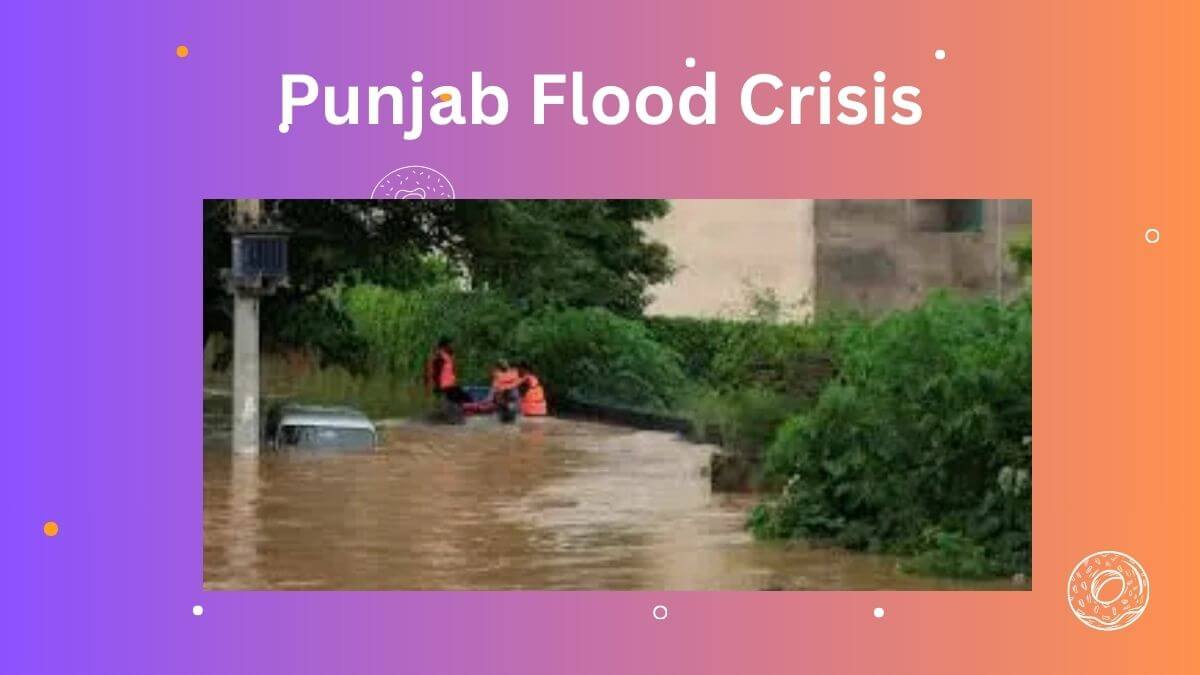
Punjab Flood Crisis: Punjab’s recent flood crisis has emerged as one of the most devastating natural disasters to hit the state in recent memory. With incessant rains and overflowing rivers inundating vast tracts of the region, more than 3.87 lakh people across nearly two thousand villages have been affected.
The Punjab government’s preliminary damage estimate puts the loss around Rs 14,000 crore—a staggering figure reflecting the widespread destruction to homes, crops, infrastructure, and livelihoods.
Contents
- 1 Scale and Severity of the Flooding
- 2 Human Impact: Displacement, Fatalities, and Hardships
- 3 Agriculture: The Economic Backbone Battered
- 4 Infrastructure and Public Services Under Stress
- 5 Government and Community Response
- 6 Causes of the Flooding and Challenges in Management
- 7 Perspectives from the Ground: Voices of the People
- 8 Punjab Flood Crisis: Conclusion
Scale and Severity of the Flooding
The floods have wreaked havoc on 1,996 villages spread across Punjab’s diverse districts, including Malwa, Doaba, and Majha. The intense monsoon, coupled with breachages in embankments of major rivers such as the Satluj, Beas, and Ravi, led to water spillover in densely populated and agrarian zones.
Emergency helplines and relief centers have been set up, yet the scale of displacement has put immense pressure on these resources.
Human Impact: Displacement, Fatalities, and Hardships
Authorities confirm 46 deaths so far, including vulnerable groups such as children and the elderly. Thousands of families have been forced from their homes, seeking refuge in government-run relief camps where basic necessities like food, water, and healthcare are provided.
Schools in affected areas remain closed, and many daily wage earners are left without work as marketplaces and businesses lie underwater.
Agriculture: The Economic Backbone Battered
Punjab’s agrarian economy has suffered a critical blow, with around 1.75 lakh hectares of farmland damaged. Key crops including wheat, paddy, maize, and vegetables have been submerged or destroyed at various stages of growth.
This could lead to potential food supply shortages in the coming months and significant financial losses for farmers.
Government intervention in the form of compensation, subsidies, and technical support is essential to help farmers recover and stabilize the state’s food economy.
Infrastructure and Public Services Under Stress
Beyond homes and farms, vital infrastructure has been severely impacted. Floodwaters have damaged roads, bridges, schools, hospitals, and power lines.
Many healthcare centers report shortages of medical supplies and difficulties reaching patients.
Authorities have prioritized restoring clean drinking water and sanitation services in relief camps and affected villages to mitigate these threats. Public transport systems are also struggling, limiting mobility and hampering evacuation and relief efforts.
Government and Community Response
The Punjab government has quickly moved to coordinate flood relief operations. Requests for Rs 14,000 crore aid from the National Disaster Relief Fund (NDRF) have been made to support immediate relief and long-term reconstruction.
In addition to government efforts, NGOs, volunteer groups, and local citizens have played a crucial role in rescue and relief. Boats, makeshift rafts, and emergency vehicles have been deployed by teams working tirelessly to reach stranded people.
Helplines and information centers have been established to connect affected residents with resources and assistance, highlight urgent needs, and avoid duplication of efforts.
Causes of the Flooding and Challenges in Management
Experts attribute the floods largely to heavy and prolonged monsoon rains, combined with river overflow due to deficits in flood control infrastructure.
Inadequate embankment strength, silting of riverbeds, and blocked drainage systems exacerbated the situation. The state administration is now assessing existing water management plans, considering river dredging, embankment reinforcement, and the development of more effective early warning systems.
Climate scientists warn that intensifying monsoons and more frequent extreme weather events due to climate change call for urgent action to prevent future disasters.
Perspectives from the Ground: Voices of the People
Farmers lament the loss of months of hard work as fields lie submerged, with uncertainty about next steps. Residents share stories of narrow escapes, extended power outages, and the struggle to access clean water.
Volunteer teams speak of the urgency to deliver aid amid ongoing challenges and the solidarity witnessed among neighbors helping neighbors.
Punjab Flood Crisis: Conclusion
The 2025 Punjab floods serve as a stark reminder of the vulnerability to natural disasters in a changing climate. The physical, economic, and human toll underscores the need for urgent action and sustained commitment to building resilience.
Moving forward, Punjab must address both immediate needs and long-term strategies to safeguard its people and resources against future catastrophes while fostering recovery and sustainable development.